


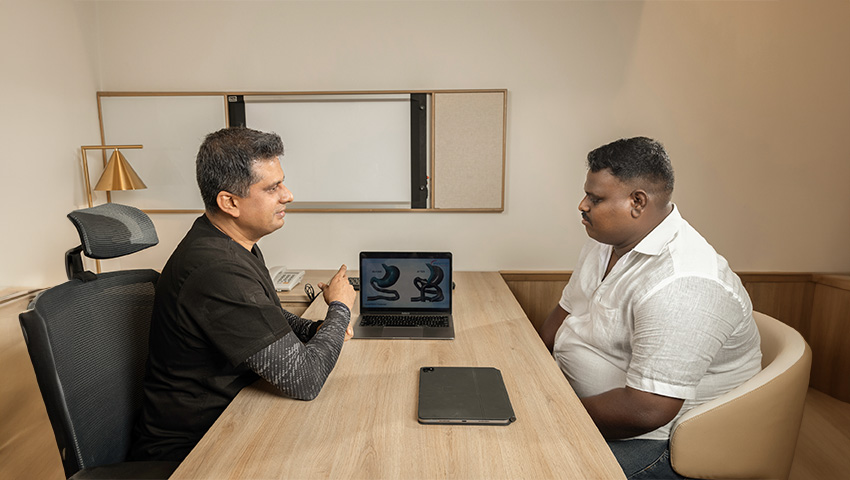
Like any other chronic medical conditions, effective management of obesity must be based on a partnership between a highly motivated patient and a committed team of health professionals, including the physician, surgeon, psychologists, physical and exercise therapists, dietitians, and other sub-specialists, depending on the comorbidities of the individual patient. A reasonable goal for weight-loss in the setting of a lifestyle treatment program is approximately 1.0 -1.5 kg/week. The concept of a weight-loss goal for each subject is to be individualized and cannot be unilaterally based on standard weight-for-height norms.
It is a common perception that weight loss nutrition is equal to starvation. This is a myth. A perfect diet is always tailor-made according to the needs of every individual. Diets, especially the weight loss nutrition diets should be planned post-consultation with the doctor to ensure maximum effectiveness. Weight loss diet mainly consists of calorie and portion counts. Eat right is the mantra to be followed. Instead of bulk meals, small portions at regular intervals are suggested.

Regular physical activity is important for good health, especially if you’re trying to maintain a healthy weight. If you intend to lose weight, your body needs to “burn off.” more calories than consumed. An average of about 300 minutes a week of moderate intensity physical activity combined with high intensity interval training is mandatory to achieve this. The activities that help you achieve this are jogging / running, cross country activities, aerobics, competitive sports, weight training, etc.

A positive attitude and the right kind of motivation are important for weight management. Internal discipline such as better health, increased energy, self-esteem and personal control increase your chances of lifelong weight management. Improving home environment by doing basic chores yourselves, keeping off kitchen except during meal time, fixed early mealtime, reducing use of digital platforms and adequate sleep helps you to achieve the goal. Control of work environment by using stairs to work, moving out of desk from time to time, eating light and on time, stretching loo breaks, etc improves your chances of stying fit.

Weight loss medications are meant to help people with stubborn obesity which cease to go in spite of lifestyle changes. Prior to prescribing a weight-loss medication, your doctor will weigh:the benefits to the possible side effects of the medicines.and your current health issues as well. Prescription medications to treat obesity work in different ways. Some medications may cause you to feel less hungry or full sooner. It may make it harder for your body to absorb fat from the foods you eat. Most weight-loss medications are approved only for adults.